- The Lazy Reader
- Posts
- 'The CIA is laughing at you'
'The CIA is laughing at you'
'You’re worried about international law, and the CIA is laughing.'

Hi 👋
We’re back again with another reading list of some of the best longform journalism across the internet ✨
I got this comment from a reader on Reddit:
This article also makes me mourn the demise of world-class longform journalism as a popular reading choice. Something this length, written so lucidly and with such intensity and truth -- it's not a book, so it doesn't take whole days to consume, yet it's a profoundly moving literary journey.
That’s the perfect way to describe how I feel about longform journalism as a genre. I love this form of writing: It’s deliberately slow and unwieldy, and it forces readers to actually immerse themselves in the story. It makes you care. And I think that’s something that’s sorely lacking from our current world.
And so it makes me deeply sad that longform has fallen out of vogue. The almighty Algorithm eschews these unbuzzy pieces of content (a bland, bland word) for more clickbaity stuff, those that give us as readers and viewers that instant spike of serotonin. I won’t pretend to be above it: I enjoy TikTok a lot and I sink so much of my time into it.
But longform will always have my heart. And that comment really just reinforced in me the conviction to make The Lazy Reader a refuge for people like me (like us) to wait out this current content cycle. One day slow journalism will be a thing again, and we’ll be here to welcome it back.
Some standouts from last week’s email:
As with last week, please let me know what you think of the list this week by voting in the poll below.
Happy reading and see you again next Monday!

Truly one of the most infuriating stories I’ve ever read. And if you’re an American or otherwise live in the U.S., this should be required reading for you.
Under former President Obama—who, by the way, was awarded a Nobel Peace Prize and continues to be an icon for the liberal bloc—the U.S. has transitioned sharply to drone warfare. Obama oversaw the highest number of drone strikes in history, many of which left civilians dead. He also signed off on several drone missions that, by his own people’s admission, broke international and domestic laws. It’s hard to overstate how unambiguously evil this entire thing is.
And then there’s that kicker toward the end of this article:
“The CIA is laughing at you guys,” [John Radsan, a former attorney for the CIA,] told the assembled human rights lawyers. “You’re worried about international law, and the CIA is laughing.”

Even more tech troubles from the U.S. This time, it’s recent: The present Trump administration realized that cancelling worldwide health aid also cut off key data sources for the U.S., leaving the country largely blind to emerging outbreaks. Trump officials are now rushing to get things back on line, but with suspect agreements that one African official said amounts to “digital colonialism.”
To be clear, I do think that the we in the developing world have to grow less dependent on our richer counterparts for our needs (this, of course, ignores the deep, violent and often ongoing histories of colonization and exploitation). But I also do agree that the current agreements are extremely unfair: Suddenly deprive poor countries of their funding before offering it back right away, but this time with considerably more strings. As that one African official said: it forces you to choose between digital dignity and your life.

Something lighter to break things up!
Wonder what you’d do if you were certain that you were going to die in the next 10 minutes? For many people in Hawaii, this became their dilemma that one January day in 2018, when local emergency authorities mistakenly sent out an alert to everyone’s phones, claiming that there was a missile headed their way.
Longform legend Sean Flynn here follows a couple of people who were caught in the panic, doing a blow-by-blow of their actions, reactions, thoughts as they counted down the seconds to their supposed demise. There is a humorous backdrop here, because we know none of it happened, but it’s telling what people do when forced to confront their mortality in an immediate, violent way.
How did you like this week's list? |

This story looks at the tragic fallout of a shooting—one that left an Indian immigrant dead and the broader tech sector chilled.
There are a million stories about the fatal consequences of America’s deep-rooted racism, so I’m sure you already know how this one goes. Something that grated at me, though: Everyone in this story kept saying something like ‘this isn’t us,’ or ‘this isn’t the True Kansas,’ or ‘we’re better than this!’ But I’m not sure that’s true. The entire history of the U.S. is replete with examples like these, many of them much worse. I’m no expert, but I think denying the problem exists isn’t a good starting point to actually getting it solved.
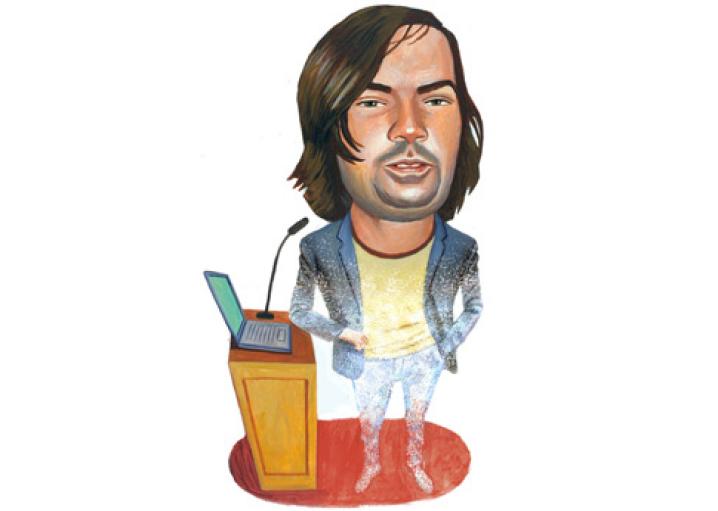
I loved this one. Not much because of the subject—it’s interesting, don’t get me wrong, it’s just not my thing—but more about how this was such an experimental, experiential piece of journalism. I wish our current media landscape (and readership) rewarded these types of articles more.
The writer here seeks to learn programming for herself and she settles on Ruby, a widely used and one of the more coder-friendly languages out there. Great choice, I must say. But as writers do, she dives deep into the history of the coding language itself, and finds the story of _why, who was one of the central pillars of the Ruby community, at least right up until he vanished.

Something more cookie-cutter here, about a local community of farmers fighting against an encroaching tech threat. Data centers appear to be the villain en vogue, and there has been story after story after story written about them. I’ll be honest: To me, there’s really not much that sets this one apart. It’s set in Canada, so there are some cross-border questions—as well as a sovereignty angle that the press never seems to bring up when writing about poor black and brown countries (but I digress)—but by and large, this piece hits the usual story beats.
That isn’t to say that it isn’t executed well—It is. Very much so, in fact, that you really end up caring about these farmers who you don’t even know, or whose role in the global agricultural chain is unclear. I wish there had been something new here, but the story nevertheless accomplishes what it set out to do, and it did it well.
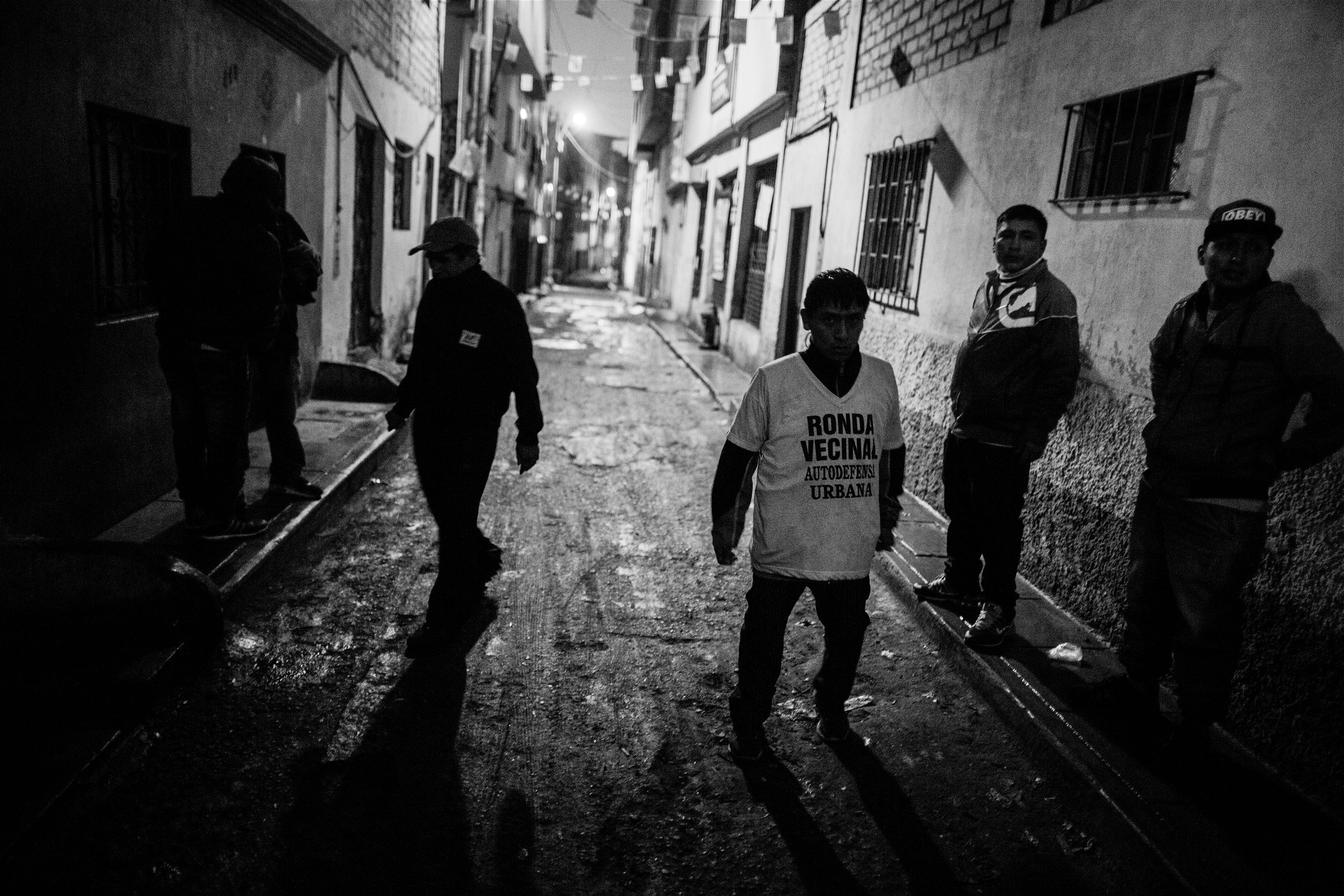
Mmm. I adore R&K, and this story is a good illustration of why: The outfit takes the oft-vapid travel genre and flips it on its head, looking at the underbellies of areas that are otherwise painted as tourist destinations. This story trains that lens on Peru and looks at the violence that its urban poor has to endure.
I do, however, take issue with how this piece aggressively both-sides-ed the issue here. Painting these “citizen mercenaries” as “vigilantes” or some sort of rabble-rousing group of men is lazy framing when the enemy is a state with a decades-rich history of extrajudicial abuses. I’m not saying that these “vigilantes” are 100% in the right: Of course not. If they’re causing trouble and terror for the people they claim to be fighting for, then that’s, at best, stupid. At worst it’s terrorism. But to put them on the same level as the corrupt Peruvian government—which, by the way, not only has immense resources at its disposal, but also military and international backing—is misleading.
Thanks for reading! Please, please reach out if you have feedback, suggestions, or questions. Alternatively, you can fill out this super quick survey form. I promise it won’t even take five minutes of your time, and it’ll be a HUGE help!
ALSO: I know some of the stories I recommend might be behind paywalls, and maybe I can help you with access to those. Send me a message and let’s see what we can do 😊
Until next Monday! 👋
Reply