- The Lazy Reader
- Posts
- 'Snitching was the ultimate sin'
'Snitching was the ultimate sin'
PLUS: Climate villains, zombie campaigns, and undeserved cultural authority.

Hi 👋
Another Monday, another Lazy Reader longform list ✨
Aside from my birthday last Monday, I definitely did not enjoy last week. It’s like the universe conspired to pile every conceivable urgent errand on top of an already-busy period at work. I truly was hard-pressed to find some breathing room. Thank heavens for longform stories for keeping me sane!
Some standouts from last week’s email, if you missed that:
Aeon Rights Require Money
Texas Monthly Just Desserts
The Intercept Death From the Sky
As with always, please let me know what you think of the list this week by voting in the poll below.
Happy reading and see you again next Monday!
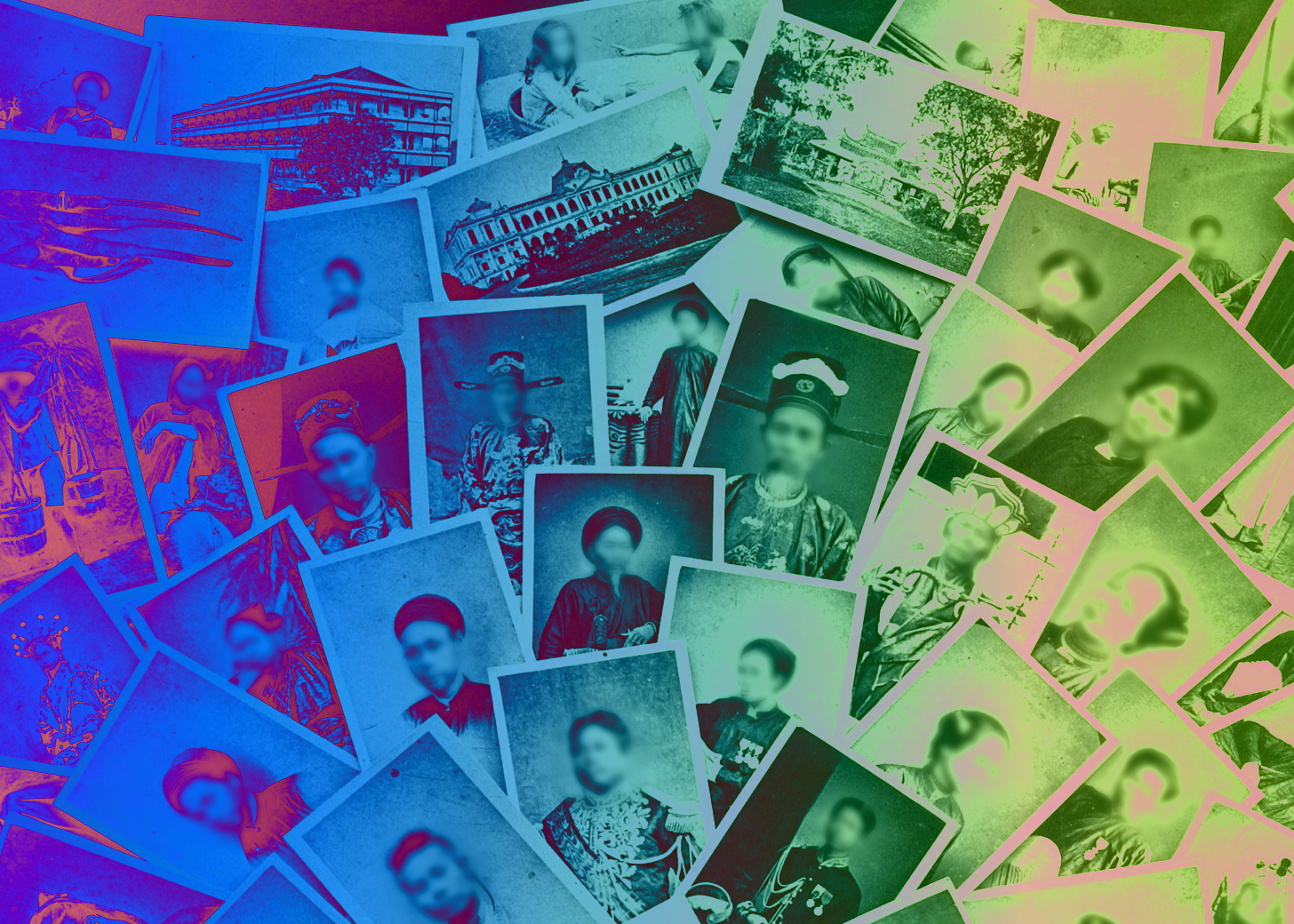
I loved this essay (which, btw, was brought to my attention by someone on Reddit; that’s a great place to get your longreads, too).
As someone who is born, raised, and continues to live in the Global South, this piece gave language to so many of my frustrations. It gets a bit scholarly at times—fair warning—but I think the arguments here are spot-on. Why assign authority to these people who insist on hyphenating their labels, when it’s clear that they don’t have the breadth of experience or cultural exposure to speak on things relating to countries they don’t even live in.
I’ve always bristled at that. Don’t speak for me and my communities when it’s clear, just from the way you carry yourself, that you know nothing of our experiences and aren’t interested in the slightest to partake in our history. You don’t share our struggle, why do you feel entitled to claim our culture? And to paint it with such a crude, broad brush that ends up erasing even more of us, rather than representing us.
I’m getting all worked up and angsty and resentful. Just read the piece, I promise.
Fiction: Prophets | Joyland, $
The Astra Magazine essay referenced this piece and I found it interesting. I thought I’d share here, too.

This piece, in my opinion, is peak The Atavist: Incredible, winding narrative that takes you on a journey. A compelling central character that’s challenging to understand but easy to empathize with. A complex moral question that underpins the entire piece and ties everything together.
Much of the story is carried by the man at the heart of it all: Marcus Robertson, who has had to contend with many cruel twists of fate by being a force of cruelty and crime himself. The writer does a heroic job of reporting everything out, getting even the tiniest bit of detail to really maximize the immersion of this story.
A nitpick: It feels like the hook here—that Robertson was responsible for or at least part of the Pulse club shooting—feels a bit underbaked, if not forced. Would have wanted that explored a bit further.

I’ve been on an investigative kick lately and Tampa Bay Times has been feeding me real good! (This one is especially timely, too, given the upcoming US midterm elections later this year).
The Times here digs into campaign financing, and how politicians treat it as their personal funds—which is illegal, btw. Digging through piles of obscure reports, which are written in the most boring language designed to deter auditing, the reporters discover that hundreds of politicians continue to keep their campaigns running, raising donations from citizens even if they’re no longer in office and have no plans of running in the future. Some ongoing campaigns are for people who have already died.
Most telling to me is that a handful of these politicians actively avoided questioning from the Times and its collaborators. One even physically ran away from the reporters. No better way to show your guilt, in my opinion.

I’ve only recently become aware of Blackstone as a major force of capital—I work in biopharma media for my day job, and Blackstone is a big-name funder in the industry. I didn’t know that they also had real estate assets.
If anything, this story only reinforced my distaste against these extremely profit-oriented funds. They always like to get involved in services that should be basic rights: Housing, healthcare, food. And in their quest for margins, it’s the everyday person who suffers. This story of a Danish community standing up to such a powerful money lobby really warms the heart.
That said, the piece does pile on the qualifiers lower down in the article. Some of the same politicians who helped fight off Blackstone were also involved in advancing racist, xenophobic policies. Many of the same people who banded against the capital firm also want to keep their neighborhoods free of poor people. It’s honestly a really depressing twist that I felt should have been given more attention. But maybe for another article.
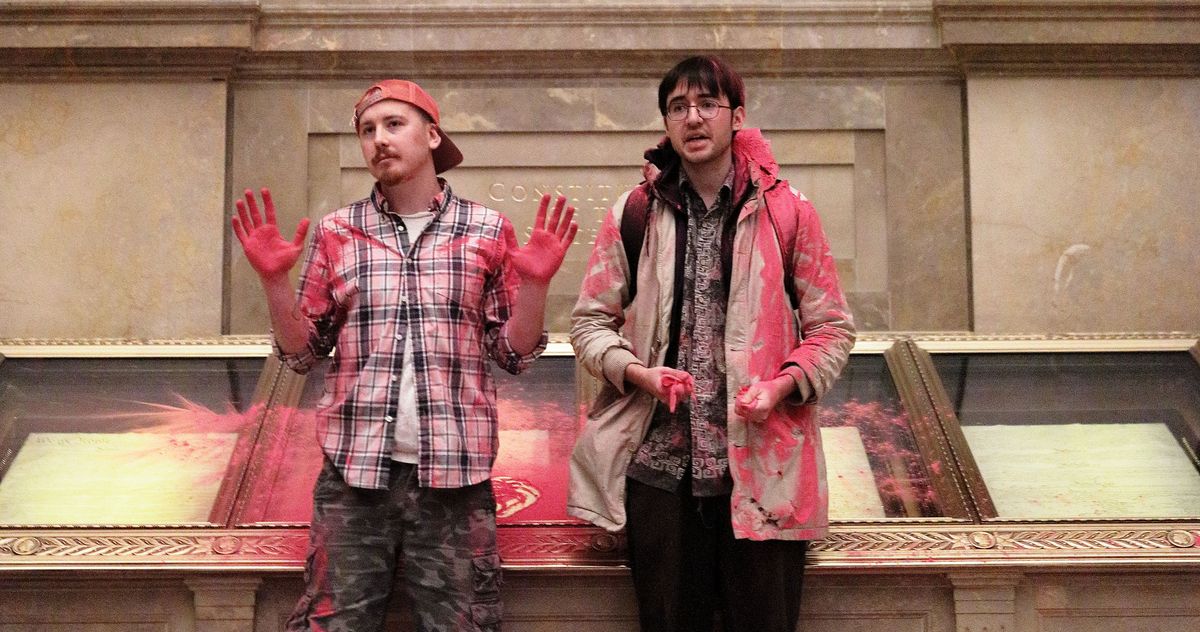
Over the years, I’ve come to learn that I tend to be more left-leaning than most. So I don’t look at these destructive climate protests with disgust. I understand and appreciate their value.
I think that it’s absurd that we as a society are more enraged about paint on an exhibit than the unabated destruction of our planet. Just because the people people responsible for the climate breakdown are in suits doesn’t make them less violent criminals than the petty vandals that throw soup on paintings.
These protests force us to grapple with those facts (they are facts, not opinions). They’re uncomfortable and irritating because they shatter our illusion of calm and complacency. It’s on us—not the protesters—to then figure out what we want to do with those feelings.
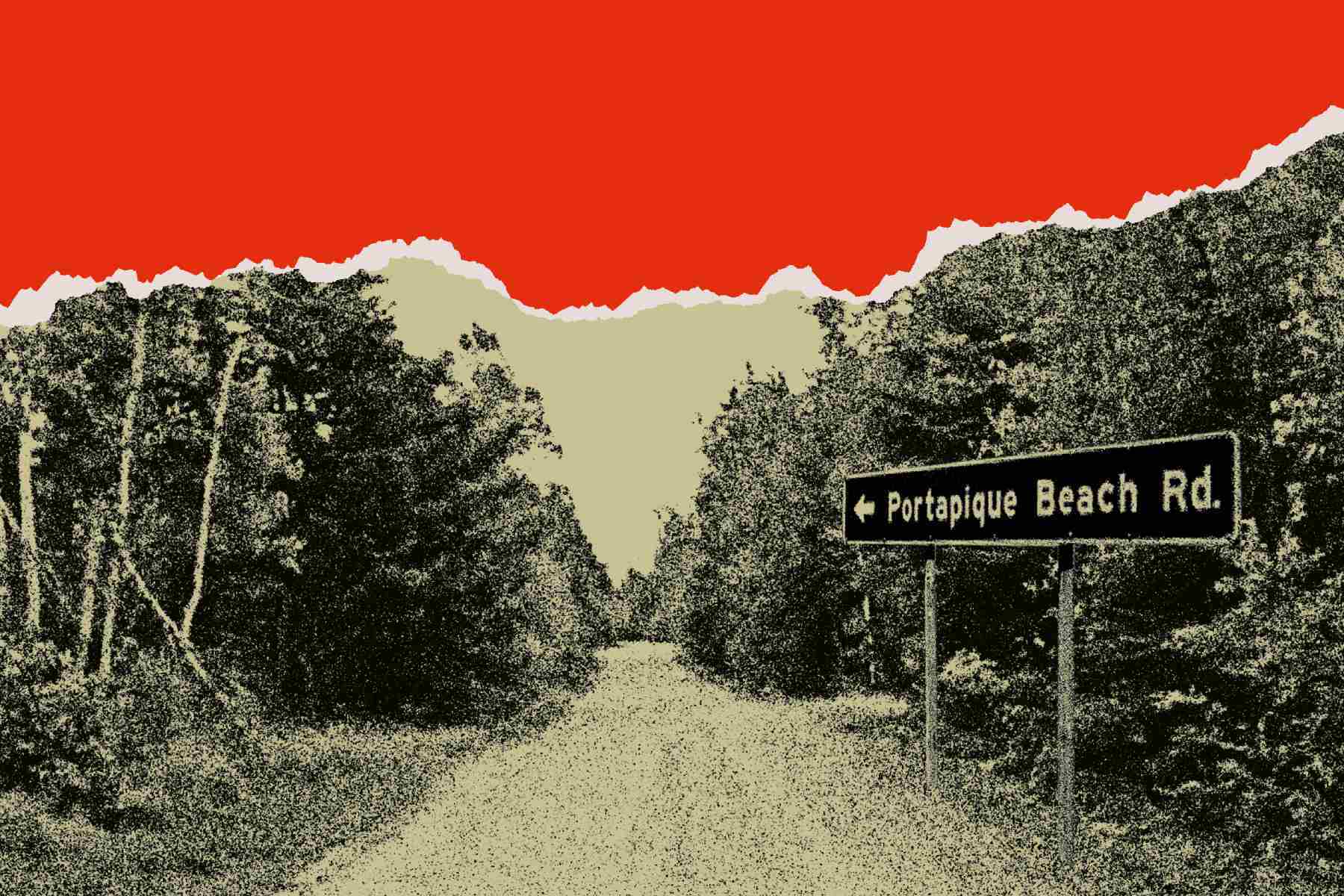
This is a painful essay, written by a woman who for most of her life was trapped in an abusive relationship with a man who would eventually turn out to be Canada’s mass shooter.
After the chaos, instead of being offered support and rehabilitation, Lisa Banfield was instead put under suspicion. People accused her of being an accomplice, an accessory to all the killings. Like everyone was looking for someone else to blame for a massive societal failure, and Lisa just so happened to be a convenient scapegoat.
Even law enforcement officials, who should know better, were doing this. And at one point, Lisa was sort of lured back to the home she shared with the shooter, trauma be damned, and was forced to relive her hardships, all so that the investigators could find holes to poke in her story.
It’s a very distressing piece to read, but one that shows us how difficult it is to be a survivor.
How did you like this week's list? |
Thanks for reading! Please, please reach out if you have feedback, suggestions, or questions. Alternatively, you can fill out this super quick survey form. I promise it won’t even take five minutes of your time, and it’ll be a HUGE help!
ALSO: I know some of the stories I recommend might be behind paywalls, and maybe I can help you with access to those. Send me a message and let’s see what we can do 😊
Until next Monday! 👋
Reply