- The Lazy Reader
- Posts
- 'His body was completely severed at the torso'
'His body was completely severed at the torso'
Sorry I'm late again this week! 🙏

Hi 👋
We’re back again with another reading list of some of the best longform journalism across the internet ✨
A day late again 😒 So many changes going on with my newsletter provider that it’s been messing with my sending. So sorry for that 🙏 Going to keep the intro this week slow so you can get to your read as quickly as possible.
If you missed last week’s email, some standouts:
Business Insider I quit my job to travel with my dad. He died 10 days later.
The Guardian What happened when I confronted my cruellest troll
Pacific Standard The Most Senseless Environmental Crime of the 20th Century
As always, please let me know what you think of the list this week by voting in the poll below.
Happy reading and see you again next Monday!
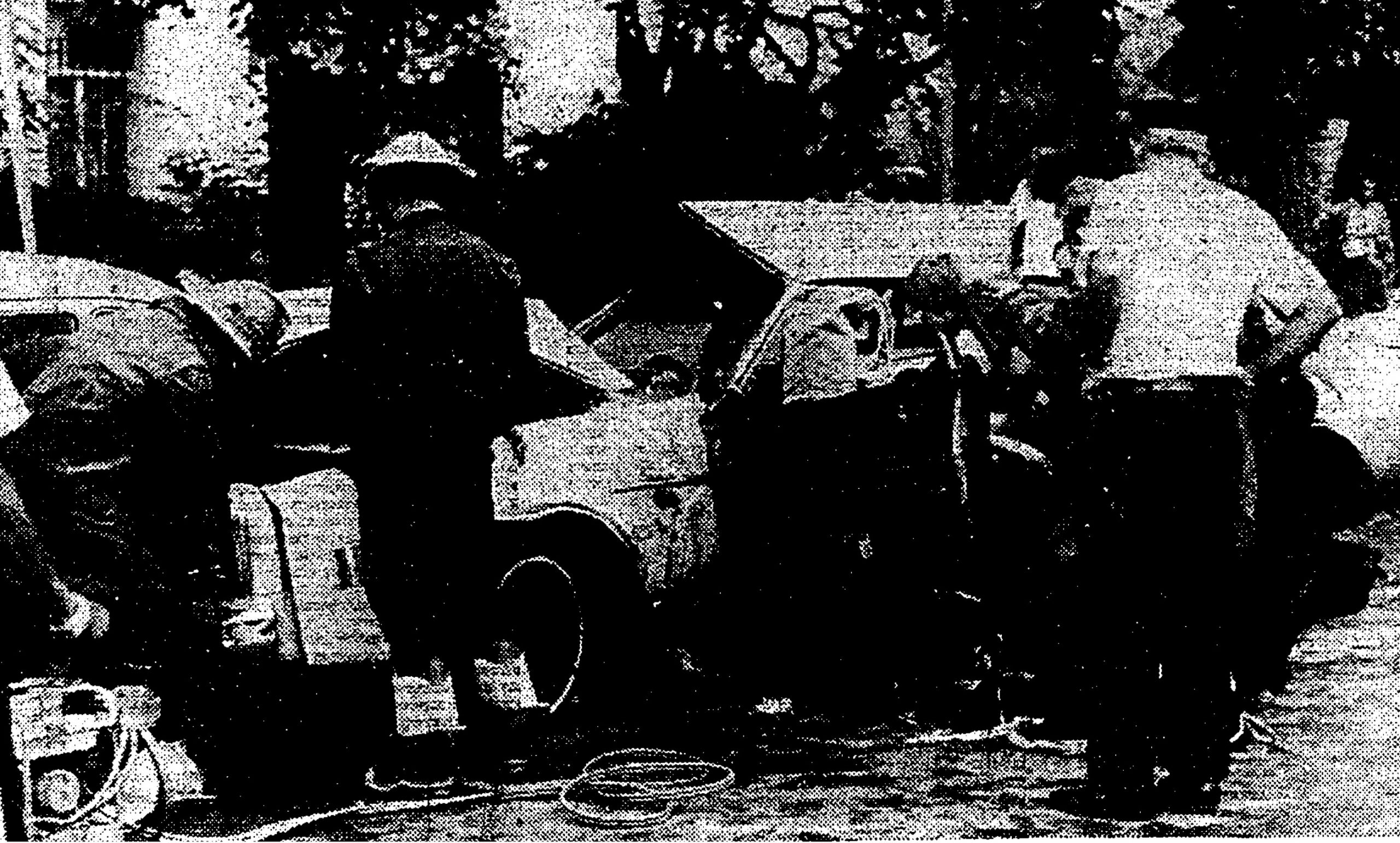
The US has supported and funded some of the most violent and bloody anti-communist groups across the world, and especially in Latin America. It doesn’t get to act surprised and high-and-mighty when those chickens come home to roost.
This story follows one of those chickens: A bombing in Washington that killed a Chilean diplomat. The investigation revealed how powerful forces want to just bury the incident as quickly as possible, with no regard for justice or human rights—despite what the US publicly espouses. And it also showed how toothless the justice system can be. Those who were found guilty of the crime all died free men. Not even everyone spent years behind bars.

Chilling story. It starts with a shooting, which given how common gun-related violence is in the US, seems largely bland; the only thing about it that stands out is that she’s a PhD, and so are her victims.
But then people started digging into her history and found skeletons that she, her family, and her community had tried to hide away. What ensues is a dark trip down the shooter’s life, one that opens old wounds, breeds distrust among new and old officers, and challenges the bounds of a mother’s love.

This story tackles a very important topic: Plastic and how deeply entwined it is with Big Coal. I think that angle alone puts this story far above many of the other environment and climate pieces out there. Unfortunately, it’s not very often that articles go to the corporate root of our current climate catastrophe.
That said, I do think this story sidesteps the question of climate justice. It alludes to it—by referencing the way rich countries illegally offload their junk onto the Global South—but it stops there, content to just pick off the lowest-hanging fruit. No confrontation of extraction, of manufacturing demand for these plastics (and of manufacturing itself), of maintaining an economic order that makes people only able to afford the small, plastic packets of products.
These may all be arguably outside the story’s scope, but they’re all part of that bigger plastic picture.
How did you like this week's list? |

Beautiful, harrowing. Heartbreaking.
There’s a reason this story is a Pulitzer winner. Writer Aaron Parsley goes through an incredibly traumatic experience with his family and channeled all of that pain onto the page. I don’t want to give away too much about this story, but a friendly advice: Don’t read this in public. I was reading at the gym and had to step aside to calm myself down and stop myself from crying. Needless to say I looked weird.
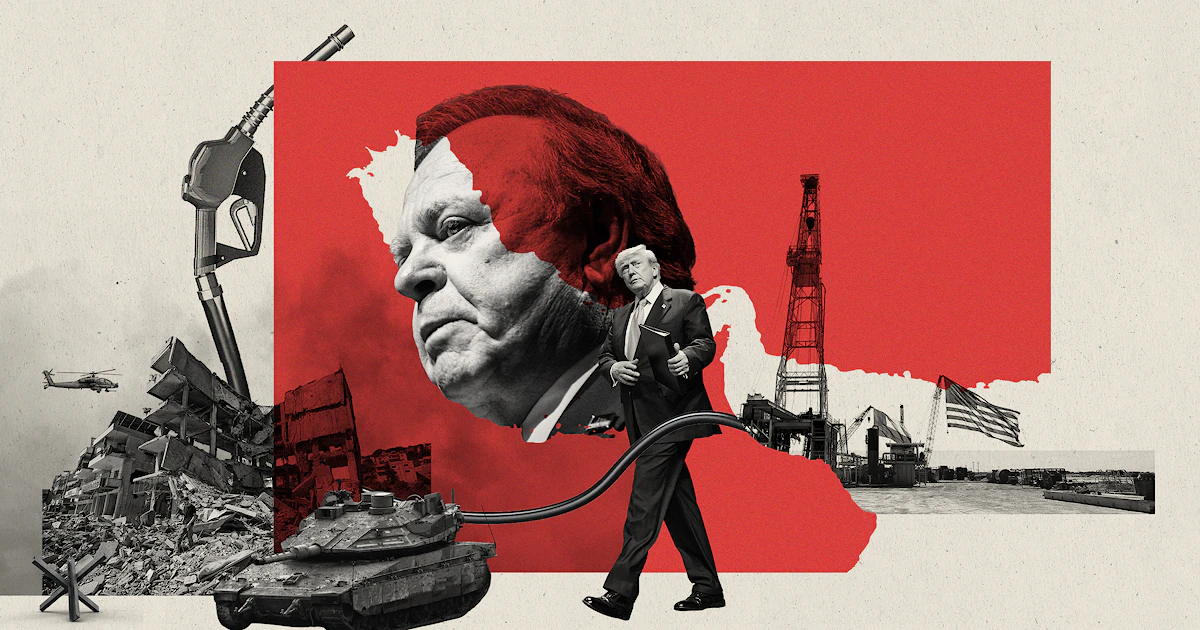
There is something supremely messed up with how millionaire (and billionaire and trillionaire) money is so intimately mixed up with U.S. politics. As an outside observer, it makes their much-vaunted “democracy” look so farcical, with the country’s wealthiest very clearly pulling the strings.
This piece from Fieldnotes is just one recent example of these—albeit a very consequential example. An oilman pumps millions into Trump’s campaign and all of a sudden the federal government is making all of these choices that, suspiciously, can only benefit said oilman. Makes you wonder how deep the corruption goes (what other industries are calling the shots? what other government agencies have been compromised?) and how far back it runs (is it just a Trump thing? Doubtful. Which other administrations are guilty of this and to what degree?).
I went into this story with high expectations—maybe the authors had something new or groundbreaking to say, maybe, as experts in the field, they had some radical ideas that could upend the current plight of the urban poor. No luck. The solutions presented here were mostly cookie-cutter non-profit stuff, nothing you’ve never heard of before if you’ve ever spent a couple of weeks with anyone even mildly involved in the cause. Granted, this is an extract from a book, and they may have better solutions there, but as far as the article is concerned, it fell flat.
What I did find interesting, however, is the story’s exposition. The authors here traced the socioeconomic dynamics of urban centers, alongside the changing migration patterns and living preferences of the elite—as well as the cultural drivers for these changes. All in all I found it very informative, and it helped me better understand the mess of a megacity I live in now.
Thanks for reading! Please, please reach out if you have feedback, suggestions, or questions. Alternatively, you can fill out this super quick survey form. I promise it won’t even take five minutes of your time, and it’ll be a HUGE help!
ALSO: I know some of the stories I recommend might be behind paywalls, and maybe I can help you with access to those. Send me a message and let’s see what we can do 😊
Until next Monday! 👋
Reply