- The Lazy Reader
- Posts
- 'All hell breaks loose!'
'All hell breaks loose!'
A small town stands up to Big Oil

Hi 👋
Welcome back to The Lazy Reader, where we read some of the best longform stories across the internet ✨
Would you guys be interested in something like an exclusive community for TLR? We’ve been growing nicely—but honestly it’s a bit fast for someone who runs this thing solo. So I thought maybe creating a smaller, more engaged group of readers could be a good idea.
Let me know!
Some standouts from last week’s email:
Popular Science How a 14-Year-Old Kid Became the Youngest Person to Achieve Nuclear Fusion
Intelligencer Why Do Severed Goat Heads Keep Turning Up in Brooklyn?
Harper’s Magazine Woman Marries Snake
As always, please let me know what you think of the list this week by voting in the poll below.
Happy reading and see you again next Monday!

This is a series of three stories by The Xylom, looking not just at how destructive oil export plants are to communities, but also at how local governments and regulators are often complicit in letting these operations go unhindered. And, worse, even helping protect these companies from the complaints of their own constituents.
For a small (tiny, really) newsroom, The Xylom performs exceptionally well here. You can tell the reportage is great because there are some scenes that are so detailed that they seem to project off the page. The contextual grounding is also nicely done. Comprehensive enough to tackle the concepts needed with reasonable depth, but not overly indulgent that it tries to sound smart.
Writing is good, too; nothing to write home about, sure, but the empathy with the residents shines through. And in stories like these, that’s what’s important, right?
A minor gripe: This is likely due to The Xylom having a small team (and therefore not much by way of graphic artists and UX experts), but the website is very cluttered, the layout leaves much to be desired, and the mobile experience isn’t great. It really distracts from the story, which is a shame. But thankfully it’s not a mortal flaw, and it’s something that can easily be fixed.
How did you like this week's list? |
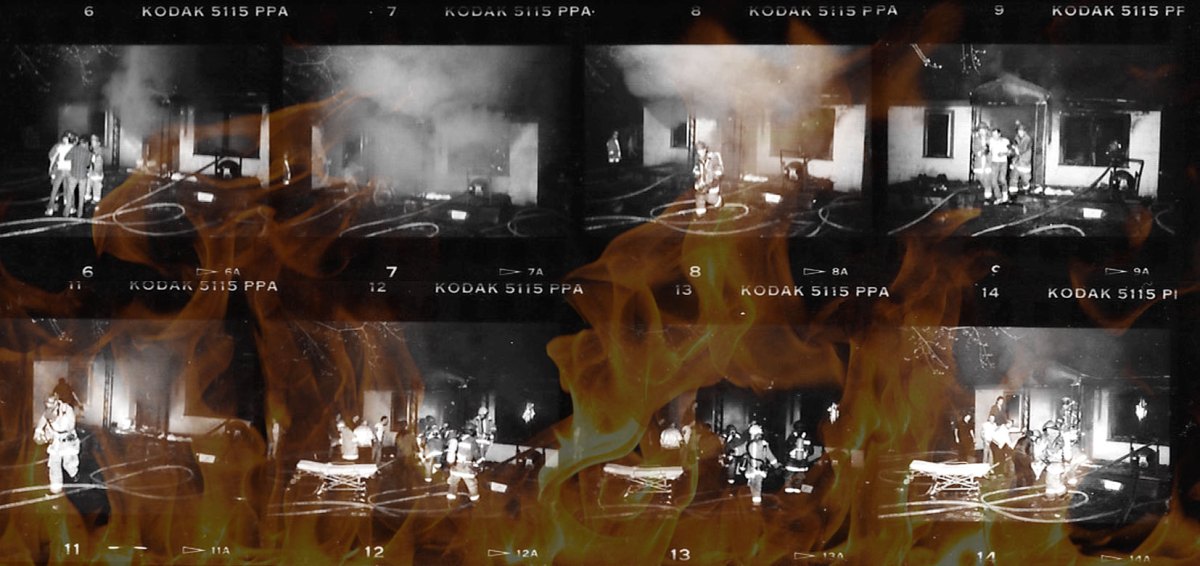
These types of arson/wrong conviction stories follow a very predictable backbone, but they still never fail to punch me in the chest. This one adds a bit of complication into the mix: The suspect here isn’t someone who’s easy to root for, and I think writer Liliana Segura knows that. She goes into his background, but it’s clear she doesn’t go out of her way to drum up empathy for him.
That makes the oversight by local law enforcement and the fire detectives so much more egregious. It’s not just oversight, too—at some point, it feels like these people had it out for Garrett and were so bent on sending him to jail. Really worrisome behavior.

I absolutely love it when science journalism leans more into the journalism part of the craft, not just focusing on the science portion. By that I mean looking at the broader social context of science, going beyond the cookie-cutter explanatory template that’s gotten so stale and so detached.
This one dives into some particularly thorny ethical questions: Amber obtained from warzones. They’re invaluable to broadening our understanding of our history—and what planetary changes we could be facing in the coming decades—but sourcing them not only puts locals in Myanmar at risk, but also fuels some questionable groups, not least of which is a military government.
The frustrating part here is that there’s no right, clean answer, and the scientific establishment (and us, by extension) will have to come to grips with tainted samples.
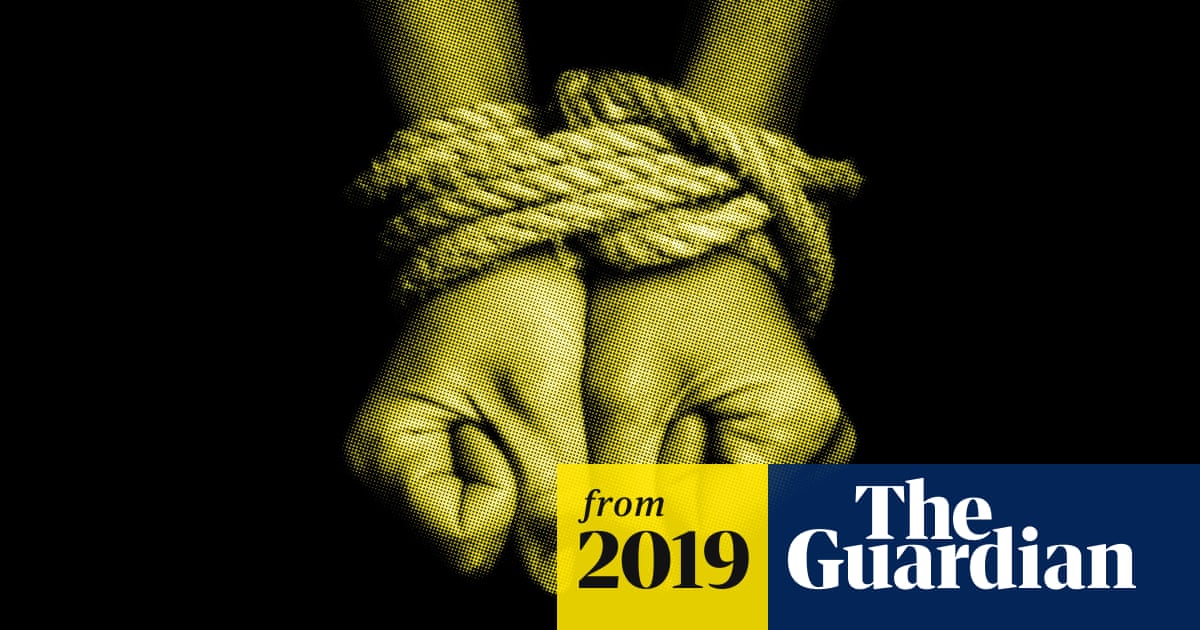
This and the Science story above are alike in many crucial ways: They brave the murky ethical waters of putting money behind the lesser evil.
In this case, it’s ransom: To help families of people who get kidnapped, a cottage industry of negotiators and insurance providers cropped up. They got the job done spectacularly, but governments worried that they might encourage more and more groups to kidnap high-net-worth people, knowing that they can rely on ransom payouts.
This has led to convoluted legal carve-outs, exemptions, loopholes etc etc etc., which increasingly left families with fewer and fewer options. As governments work to clamp down on this nascent ransom insurance industry, victims of kidnapping were put in even more precarious situations.
All of which raise the question: Is it acceptable to be paying kidnappers off and potentially encouraging even more kidnappings IF it ensures that victims get home safely?
Thanks for reading! Please, please reach out if you have feedback, suggestions, or questions. Alternatively, you can fill out this super quick survey form. I promise it won’t even take five minutes of your time, and it’ll be a HUGE help!
ALSO: I know some of the stories I recommend might be behind paywalls, and maybe I can help you with access to those. Send me a message and let’s see what we can do 😊
Until next Monday! 👋
Reply